
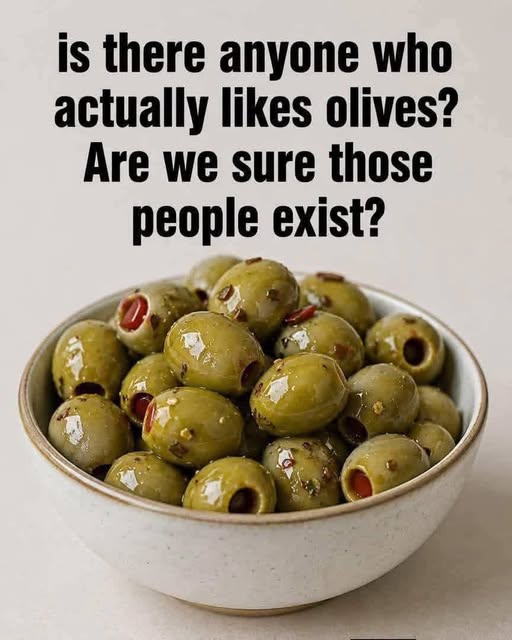
It is one of the most polarizing questions in the entire culinary world: Is there anyone who actually likes olives? For olive lovers, a bowl of marinated Mediterranean olives is the ultimate savory treat—salty, briny, and rich. But for the haters, even a single slice of a black olive on a pizza can completely ruin an entire meal. There is rarely any middle ground. People either pop them like candy or avoid them like the plague.
If you fall into the camp of olive skeptics, here is a secret: you probably don’t actually hate olives. You likely just hate the cheap, rubbery, metallic-tasting versions found in supermarket cans.
This comprehensive guide breaks down the science behind why olives divide us, explores the gourmet varieties that can convert any hater, and explains why these little Mediterranean gems deserve a permanent spot on your plate.
The Science Behind the Olive Divide
Why do olives trigger such a strong reaction? It all comes down to chemistry and how our taste buds evolve.
1. The Intense Bitterness of Oleuropein
Straight off the tree, raw olives are completely inedible. They contain a compound called oleuropein, an incredibly bitter antioxidant that protects the fruit from pests. To make them palatable, olives must undergo a curing process (using brine, water, or lye) to leach out this intense bitterness. If an olive isn’t cured properly, or if your palate is highly sensitive to bitter flavors, your brain instantly flags it as something you shouldn’t be eating.
2. Acquired Tastes and Age
Human beings are biologically wired to avoid bitter foods when they are young, as bitterness in nature often signals poison. As we grow older, our taste buds naturally dull, and we begin to crave complex, fermented, and bitter flavor profiles—such as coffee, dark chocolate, and yes, olives. If you haven’t tasted an olive since you were a child, your adult palate might surprise you.
4 Premium Olives That Can Convert Any Hater
If your only experience with olives is the sliced black variety from a subway sandwich or a frozen pizza, it’s time for an upgrade. These four varieties are mild, buttery, and perfect for beginners:
| Olive Variety | Origin | Flavor Profile | Best For |
| Castelvetrano | Sicily, Italy | Buttery, mild, slightly sweet, and crisp. No intense harshness. | The ultimate beginner olive. Tastes like a completely different fruit. |
| Kalamata | Greece | Rich, fruity, and wine-like, usually preserved in red wine vinegar. | Pairing with feta cheese, Greek salads, and warm flatbreads. |
| Cerignola | Puglia, Italy | Massive size, mild, meaty texture with a very subtle brine. | Serving on a high-end charcuterie board as a centerpiece. |
| Pimento-Stuffed | Manzanilla, Spain | Salty and crisp, balanced by the sweet, mild crunch of red pepper. | Cutting through the rich fat of cheeses or dropping into a classic martini. |
Incredible Health Benefits of Olives
Beyond their complex culinary uses, olives are a cornerstone of the Mediterranean diet, widely regarded as one of the healthiest regional diets in the world.
-
Packed with Monounsaturated Fats: Olives are loaded with oleic acid, a healthy fatty acid that helps lower inflammation and supports heart health by managing cholesterol levels.
-
Powerful Antioxidants: They are rich in vitamin E and unique plant compounds that combat oxidative stress in the body, protecting your cells from damage.
-
Supports Gut Health: Because many high-quality olives undergo natural fermentation, they contain beneficial bacteria that can aid in overall digestion and gut health.
How to Train Your Taste Buds to Enjoy Olives
If you want to join the ranks of foodies who effortlessly enjoy a sophisticated charcuterie board, you can actively train your palate to love olives using these simple culinary tricks:
Start with “Gateway” Recipes
Do not just pop a whole raw olive into your mouth. Instead, introduce them to your palate by combining them with ingredients that balance out their salt and brine.
-
The Charcuterie Method: Eat a small piece of a mild green olive (like Castelvetrano) simultaneously with a slice of rich, fatty salami and a piece of creamy brie cheese. The fats in the meat and cheese instantly mellow out the sharp briny notes of the olive.
-
Finely Chopped Tapenade: Chop black and green olives into tiny pieces with capers, garlic, and olive oil, then spread it thinly over toasted garlic bread. The texture disappears, leaving behind a subtle, savory punch of umami.
-
Cooked in Stews: Toss a few Mediterranean olives into a slow-simmered tomato sauce or a rustic chicken tagine. As they cook, their sharp edges soften, imparting a rich depth to the entire sauce without overwhelming it.
The Verdict: Are Olive Lovers Just Pretending?
No, they aren’t pretending! Olive appreciation is a culinary milestone that unlocks a whole new world of Mediterranean flavor. If you have spent your life avoiding them, challenge yourself to skip the canned food aisle, head to a local deli or specialty market with an open mind, and try a fresh, herb-marinated variety. Your taste buds might just surprise you.
Frequently Asked Questions (FAQs)
What is the difference between green and black olives?
The primary difference is ripeness! Green olives are picked before they are fully ripe, which gives them a firmer texture and a sharper, more bitter flavor profile. Black olives are left on the tree to ripen fully, resulting in a softer texture and a milder, oilier taste.
Why do canned olives taste so metallic?
Mass-produced canned black olives are often green olives that have been chemically treated with oxygen and ferrous gluconate (an iron compound) to turn them black quickly. This artificial curing process is what causes that unpleasant, tinny, metallic aftertaste.
Are olives a fruit or a vegetable?
Olives are technically a fruit! More specifically, they are classified as a “drupe” or stone fruit, making them botanical cousins to peaches, plums, and cherries.