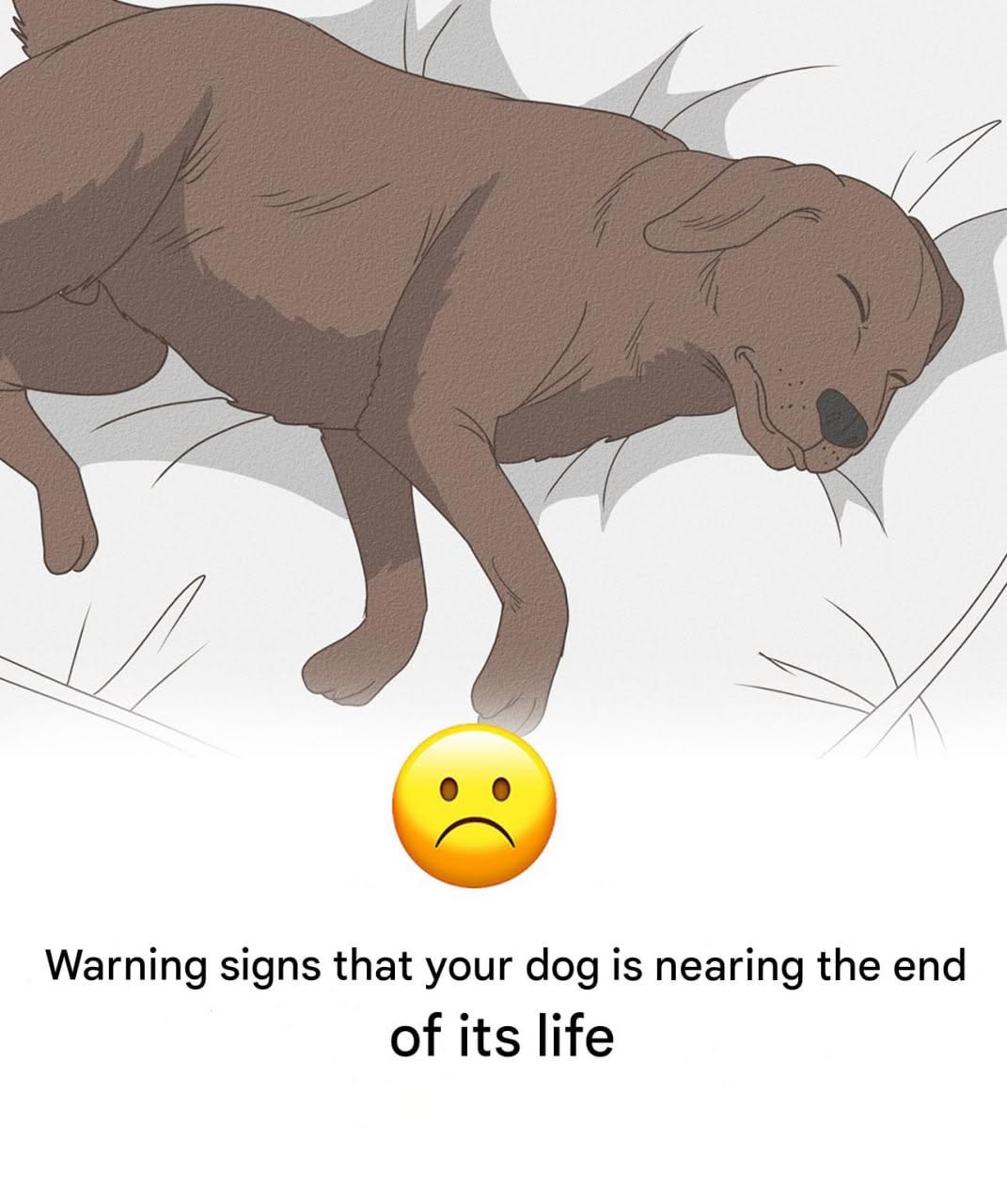
The bond shared with a dog is built on years of silent understanding, shared routines, and unconditional loyalty. As our canine companions enter their twilight years, that silent communication becomes more critical than ever. One of the most challenging responsibilities of pet ownership is recognizing when a senior dog is transitioning into their final phase of life.
In the wild, showing physical weakness or pain makes an animal a target. Consequently, modern domesticated dogs still carry the instinct to mask their discomfort, often continuing to wag their tails or attempt their favorite habits even when their bodies are exhausted.
By understanding the 11 clinical and behavioral milestones below, you can transition your focus from active treatment to compassionate palliative care, ensuring your dog feels safe, warm, and profoundly loved.
Behavioral and Social Shifts
1. Marked Social Withdrawal and Seeking Isolation
When a dog’s internal systems begin to slow down, their social behavior often changes dramatically. A once-velcro dog who followed you from room to room may suddenly seek out quiet, dark, or hidden spaces—such as the back of a closet, under a bed, or a detached corner of the room. This is a natural instinct to rest undisturbed without the burden of interacting with the pack.
2. Complete Loss of Interest in Favorite Activities
A defining sign of a declining quality of life is anhedonia—the inability to find pleasure in things they once loved. If your senior dog no longer lifts their head for the rustle of a treat bag, ignores their favorite toys, or shows total indifference toward going for a walk, it indicates their energy reserves are being completely redirected toward basic survival.
3. Progressive Extreme Lethargy
While senior dogs naturally sleep more, end-of-life lethargy is profound. The dog may remain lying down in the same position for hours at a time, showing minimal response to environmental triggers like doorbells, returning family members, or meal preparation.
Physical and Physiological Signs
4. Severe, Sustained Appetite Loss
As metabolic functions decelerate, a dog’s need for caloric intake diminishes rapidly. They may completely refuse their regular kibble, turn away from high-value human foods like chicken or beef, and eventually refuse water altogether.
5. Uncontrolled Weight Loss and Muscle Wasting
Without consistent nutrition, and as the body struggles to process nutrients, a rapid physical decline occurs. You may notice extreme muscle wasting along their spine, hips, and shoulders, making their skeletal structure feel prominent to the touch.
6. Decreased Mobility and Loss of Balance
Arthritis, neurological decline, and general muscular weakness compound in a dog’s final months. They may experience frequent slipping on smooth floors, trembling in the hind legs, or a complete inability to stand up or walk independently to their water bowl.
7. Loss of Bladder and Bowel Control
Incontinence is a common challenge during the end of life. As muscles relax and neurological pathways degrade, dogs may lose voluntary control over their elimination habits. This can be emotionally distressing for a traditionally house-trained dog, requiring gentle reassurance and clean, absorbent bedding.
THE PALLIATIVE CARE COMFORT MATRIX
+-------------------------+-------------------------------------------------+
| Common Final Sign       | Compassionate Management Plan                   |
+-------------------------+-------------------------------------------------+
| Limited Mobility        | Provide extra-thick orthopedic bedding          |
| Incontinence            | Utilize waterproof pads; keep skin dry and clean|
| Social Withdrawal       | Visit them quietly; keep room traffic low and calm|
| Reduced Appetite        | Offer warm, aromatic foods; prioritize hydration|
+-------------------------+-------------------------------------------------+
8. Changes in Breathing Patterns
As the respiratory and cardiovascular systems tire, you may observe distinct alterations in how your dog breathes. This can manifest as shallow, rapid breathing, extended pauses between breaths, or heavy abdominal breathing where the entire stomach moves to draw air.
9. Poor Internal Temperature Regulation
The liver and cardiovascular systems play central roles in maintaining body heat. When these organs decline, a dog’s extremities (ears, paws, and tail) will often feel notably cool to the touch. They may shiver even in a warm room as their baseline body temperature drops.
10. Dull, Unresponsive Eyes
A dog’s eyes are incredibly expressive. Near the end of life, their eyes may take on a glazed, distant, or cloudy appearance. They may lose the ability to focus visually on objects or people in the room, reflecting a internal shift in focus away from external surroundings.
11. Loss of Interest in Basic Grooming
A healthy dog maintains a natural coat sheen through grooming habits and optimal nutrition. In the final stages, a dog’s coat often becomes dull, dry, matted, or coarse as the body redirects all remaining vitamins and moisture toward critical internal organs.
Providing Comfort in the Final Days
Recognizing these signs allows you to cultivate a peaceful environment for your pet. Focus on keeping their immediate surroundings quiet, minimizing loud household noises, and ensuring their bedding is soft, warm, and easily accessible.
Consult regularly with your veterinarian to monitor their pain levels. Embracing palliative options or discussing home hospice services can ensure that your companion’s final transition is managed with the dignity, peace, and comfort they truly deserve.