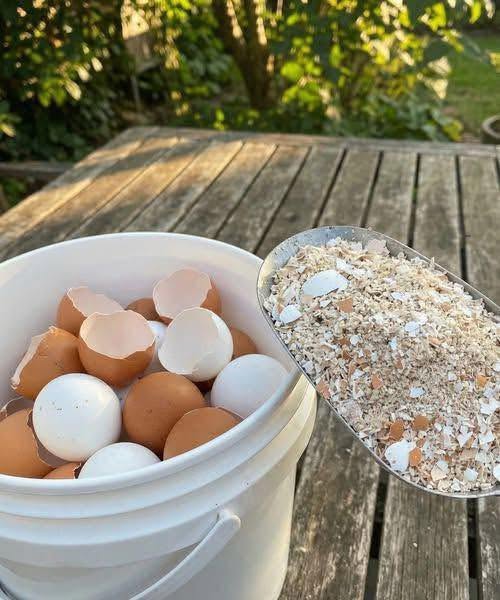
When you look at image, you see what many consider waste—empty eggshells and crushed fragments. However, for the savvy gardener, this bucket is actually a treasure trove of nutrients. In a world increasingly focused on sustainable living and reducing our environmental footprint, repurposing everyday items like eggshells is a simple yet powerful step toward a greener home.
The Science of Eggshells in the Garden
Eggshells are composed primarily of calcium carbonate, the same material found in limestone and agricultural lime. This makes them an incredible amendment for your soil.
- Soil pH Regulation: If your soil is too acidic, plants may struggle to absorb essential nutrients. Adding crushed eggshells can help neutralize acidity and raise the pH level, creating a more hospitable environment for a variety of vegetables and flowers.
- Calcium Boost: Calcium is vital for structural growth in plants. It helps prevent common issues like blossom-end rot in tomatoes and peppers, ensuring your harvest is healthier and more abundant.
- Aeration and Drainage: When crushed, the fragments add texture to the soil, which can help improve aeration and drainage, especially in heavy clay-based soils.
How to Prepare and Use Them
As illustrated in image_9d18a4.jpg, the best way to utilize shells is to crush them into a fine consistency. This increases the surface area, allowing the calcium to break down and integrate into the soil much faster.
- Rinse and Dry: Start by thoroughly rinsing your shells to remove any remaining egg white. This prevents unwanted pests or odors.
- Crush Thoroughly: Use a mortar and pestle, or simply place them in a bag and crush them until they resemble the consistency shown on the scoop in image_9d18a4.jpg.
- Mix into Soil: Work the crushed material into your garden beds, potting mix, or directly into the hole when transplanting seedlings.
Sustainable Habits for the Modern Home
Embracing practices like composting and recycling eggshells is part of a larger, intentional lifestyle. Much like managing your personal finances or investing in digital content creation, managing your household resources—even small ones—adds up to significant long-term benefits.
- Waste Reduction: Diverting organic waste from landfills is a tangible way to practice environmental stewardship.
- Cost Efficiency: Instead of purchasing store-bought soil amendments, you are utilizing a free, nutrient-rich byproduct from your own kitchen.
Conclusion
The next time you make breakfast, think twice before tossing those shells into the trash. Whether you are tending to a small balcony garden or a large backyard plot, these simple additions can make a noticeable difference in the health and vitality of your plants.
FAQ Section
Q: Should I cook the shells first?
A: While not strictly necessary, baking them at a low temperature can make them easier to crush into a fine powder and ensures any potential bacteria are eliminated.
Q: Can I put them directly in my compost bin?
A: Absolutely. They add valuable minerals to your compost pile, though they will take longer to break down than softer organic matter like fruit peels or coffee grounds.
Q: Do they really stop pests like slugs?
A: While often suggested, there is little scientific evidence that sharp edges deter slugs effectively. Their primary value remains as a slow-release soil amendment rather than a pest barrier.