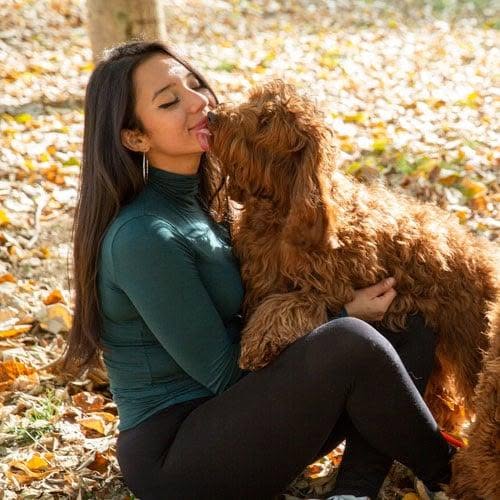
We have all experienced it: the enthusiastic greeting, the sandpaper-like tongue, and the undeniable sense of bonding. When a dog licks your face, as seen in image_9ef21e.jpg, it is often interpreted as a “kiss.” While it is certainly a sign of affection, canine behavior is deeply rooted in instinct and communication, making the “why” behind licking more complex than it might first appear.
The Instinctual Origins of Licking
Licking is one of the very first behaviors a dog experiences. From birth, a mother dog licks her puppies to clean them, stimulate their breathing, and forge a strong maternal bond.
- Affection and Bonding: By the time a dog is an adult, licking becomes a primary way to reinforce social bonds with its pack members—in this case, you, their human family.
- Communication: Dogs use licking to show respect and deference to more senior members of their pack. When a dog licks you, they are essentially acknowledging you as a leader and expressing their desire for a peaceful, cooperative relationship.
- Information Gathering: A dog’s sense of smell is incredibly powerful. Licking allows them to taste and smell the pheromones and scents on your skin, providing them with information about where you have been and how you are feeling.
Is It Always Affection?
While affection is a major factor, licking can also serve other purposes:
- Attention-Seeking: If you laugh, pet them, or speak to them every time they lick you, your dog quickly learns that licking is an effective way to get your attention.
- Soothing and Calming: Sometimes, licking is a self-soothing behavior. If a dog is anxious, they may lick themselves or their owner to cope with stress or nervousness.
- Grooming: Dogs are naturally social groomers. They may lick you as a way of “cleaning” you, treating you as part of their inner circle.
When to Address the Behavior
For most dog owners, a little bit of licking is harmless and endearing. However, if the behavior becomes excessive, it may be worth investigating.
- Redirecting: If the licking is unwelcome, try redirecting the behavior by giving your dog a toy or a chew, or by teaching a “settle” command.
- Positive Reinforcement: Focus on rewarding the behaviors you do want to see, rather than scolding your dog for a natural, instinctual habit.
- Consistency: Ensure that all family members are consistent in how they respond to the behavior, which helps prevent confusion for the dog.
Conclusion
The sight of a dog showing affection, as captured in image_9ef21e.jpg, is a heartwarming reminder of the unique connection we share with our canine companions. Whether it is a sign of love, a request for attention, or an instinctual way of saying “hello,” licking is a fundamental part of how dogs navigate their social world and maintain their bonds with us.
FAQ Section
Q: Does dog saliva carry bacteria?
A: Yes, dogs have unique oral bacteria. While generally harmless to healthy humans, you should avoid letting a dog lick open wounds or sensitive areas like your eyes, nose, or mouth to minimize the risk of infection.
Q: Why does my dog lick my hands and feet?
A: Your skin has a natural saltiness that dogs find interesting! It is a way for them to explore your scent and taste.
Q: Should I let my dog lick my face?
A: That is a personal preference. As long as you are comfortable and your dog is healthy, it is generally considered a normal part of the human-dog relationship.