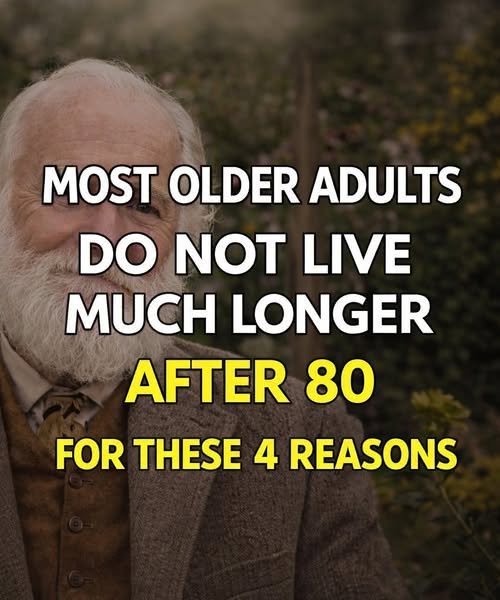
Reaching the age of 80 is a significant milestone, representing a life well-lived and a journey through decades of technological, social, and medical change. However, as highlighted in image_aa4769.jpg, many individuals find that their remaining life expectancy does not extend indefinitely past this landmark. While advancements in medicine and lifestyle have pushed the boundaries of human longevity, understanding the biological and environmental constraints that influence health after 80 is crucial for both seniors and their families.
The Reality of Aging After 80
Aging is a complex, multifaceted process characterized by the gradual accumulation of molecular damage to our DNA, proteins, and lipids. Over time, this damage eventually exceeds the body’s innate self-repair capabilities, leading to a decline in the functioning of cells, tissues, and organ systems. By the time a person enters their 80s, these cumulative effects significantly increase vulnerability to chronic health conditions.