
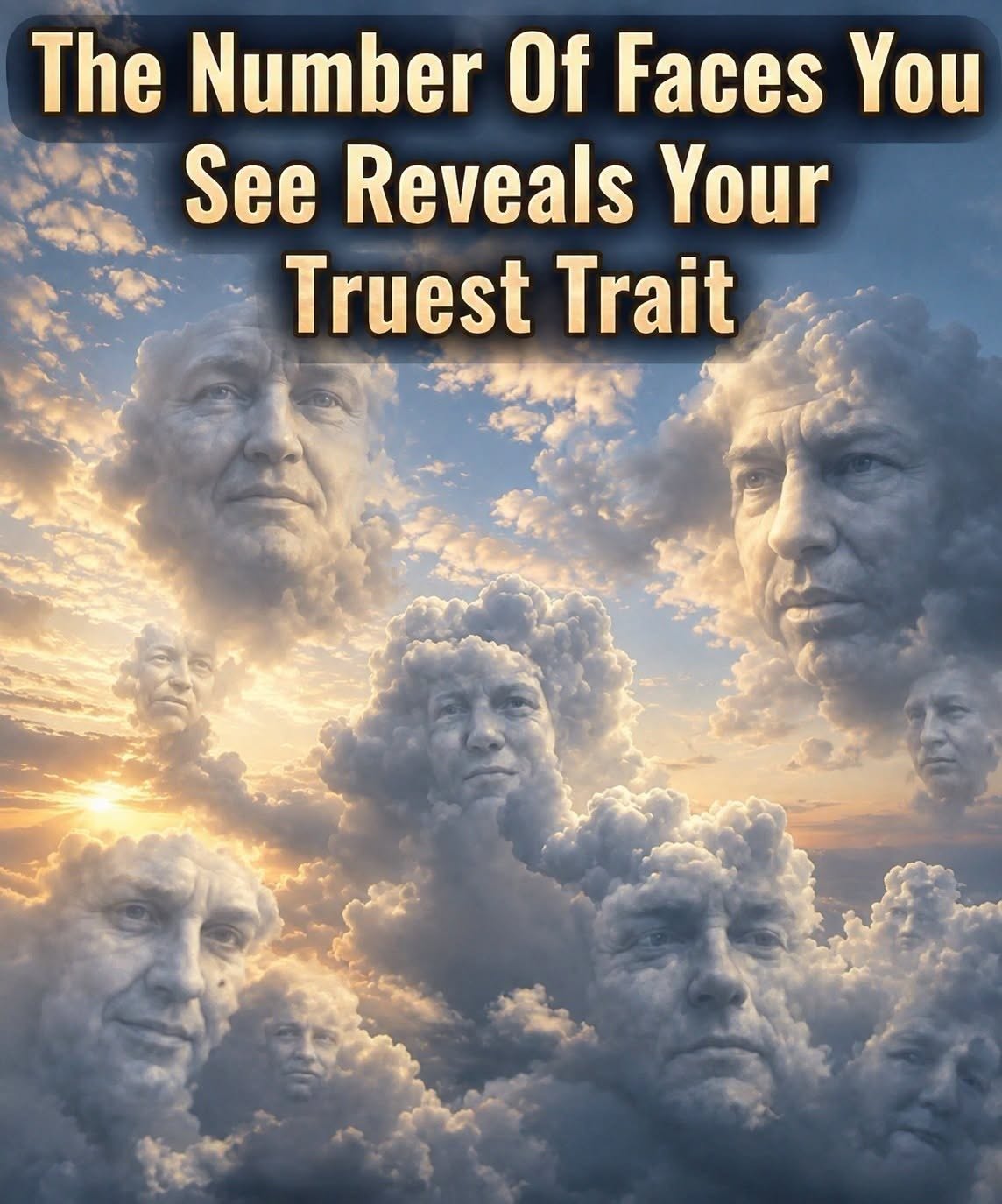
Human perception is one of the most fascinating fields of psychological study. When we look at complex visual stimuli—like the cloud formations presented in image_da36fe.jpg—our brains are constantly working to organize information, find patterns, and attribute meaning to what we see. This phenomenon, known as pareidolia, is the tendency to perceive familiar patterns, such as faces, in random or ambiguous visual data. While it might seem like a simple game, the way you interpret visual illusions can offer profound insights into your cognitive style and underlying personality traits.
Understanding Pareidolia and Visual Cognition
At its core, the ability to see faces in clouds or inanimate objects is a survival mechanism. Evolutionarily, humans needed to quickly identify other people, potential threats, or emotional states in others to thrive. Today, this high-level pattern recognition remains a fundamental part of how we navigate the world, influencing everything from how we assess professional situations to how we handle personal challenges.