| Feature | Clinical Skincare | Viral Home Remedies |
| Evidence Basis | Peer-reviewed research | Anecdotal/Engagement-driven |
| Safety | Tested for skin sensitivity | Potentially unpredictable |
| Long-term Results | Documented effectiveness | Often temporary/minimal |
Conclusion
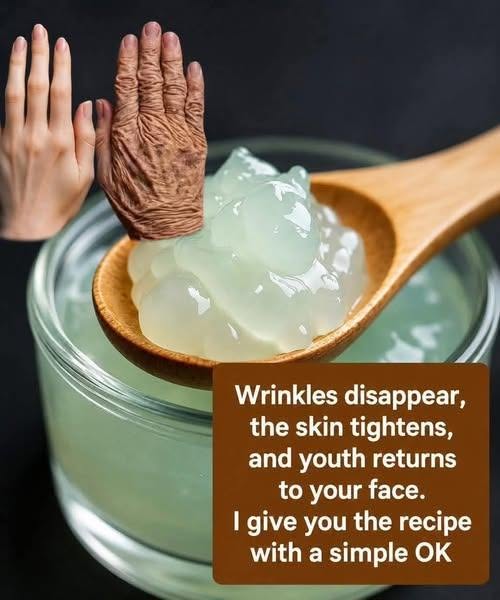
While it is wonderful to enjoy natural products and maintain a consistent beauty routine, it is essential to keep expectations realistic. The promises in image are a reminder that the world of online wellness is filled with exaggerated claims. Prioritize proven habits, professional guidance, and scientific knowledge to achieve the best possible skin health for the long term.
FAQ
1. Can natural oils really reduce wrinkles?
They can hydrate the skin and make fine lines appear less prominent, but they do not reverse the physical aging of skin structures.
2. Are homemade masks safe?
Many are, but you must be careful about ingredient quality and potential for irritation, especially if you have sensitive skin.
3. Why do these viral posts work?
They tap into our deep-seated human desire for simple, fast, and affordable solutions to complex problems.
4. What ingredients actually help with aging?
Retinoids, Vitamin C, peptides, and broad-spectrum SPF are some of the most researched and effective options.
5. How can I protect my skin from home?
The most effective steps are consistent sun protection, hydration, and a healthy, balanced diet.
6. Should I worry about my skin’s appearance?
It is normal to care about your appearance, but focus on skin health—hydration, protection, and cleanliness—rather than chasing unrealistic beauty standards.
7. Can stress affect skin aging?
Yes, chronic stress can contribute to skin inflammation and potentially accelerate the appearance of aging.
8. Where should I go for skin concerns?
Always start with a consultation with a board-certified dermatologist.