
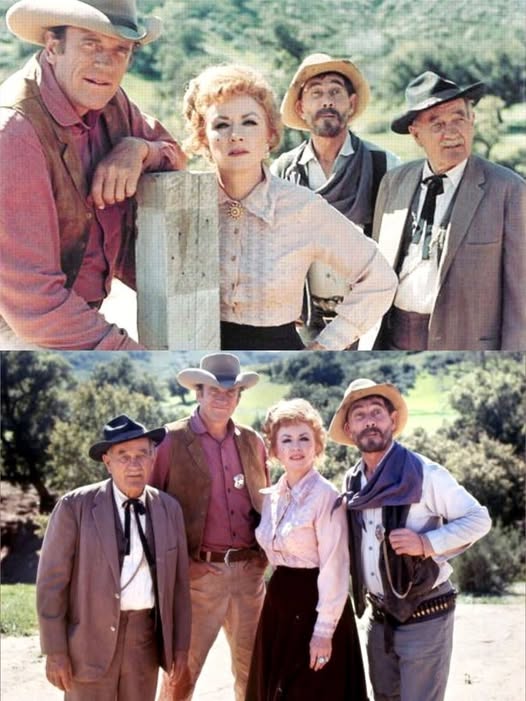
Did you know that many actors from this era were highly versatile, often appearing in both lighthearted comedies and gritty dramatic roles? Their ability to transition between genres showcased a level of professional dedication that continues to inspire actors in the modern business of entertainment. Furthermore, the landscapes used for filming—often iconic locations—have become legendary in their own right, drawing tourism and historical interest for decades. Maintaining these sites is now a multi-million dollar industry, touching on aspects of travel and infrastructure investment.
The Financial Landscape of Classic Media
It is worth noting that the intellectual property rights and distribution deals for these classic series remain a massive part of the entertainment finance sector. Investors often look at historical media libraries as stable, long-term assets. In many ways, the enduring popularity of shows featuring stars like those in image_5ffdc2.jpg proves that high-quality content—even if it is decades old—maintains significant value in the current marketplace.
Health and Well-being Benefits
Recent studies in medical psychology suggest that engaging with familiar, nostalgic media can have a calming effect on the brain. For older adults, revisiting these shows can trigger positive memories, potentially aiding in cognitive retention. It serves as a form of mental “comfort food,” which is increasingly recognized in senior health programs as a tool to combat loneliness and stress.
Strategic Investment in Education and Culture
When we study these shows, we are essentially looking at an education in human sociology. Universities and film schools frequently utilize these archives to teach students about narrative structure. Those interested in the business side of media production can learn a great deal about the legal services, insurance, and complex loan structures required to get such large-scale productions off the ground during the mid-20th century.
Conclusion
The faces in image_5ffdc2.jpg represent a golden age of storytelling. By celebrating these classics, we not only pay homage to the talent of the past but also remind ourselves of the enduring power of a good story. Whether you are a lifelong fan or a new viewer discovering these legends for the first time, there is always more to learn and appreciate about the Western genre. Its influence on modern culture, law, finance, and health remains vast, reminding us that the frontier spirit is alive and well in the digital age.
FAQ Section
Q: Why were Westerns so popular?
A: They offered clear narratives, accessible moral conflicts, and a sense of adventure that was highly appealing to post-war audiences looking for escapism and a return to “traditional” values.
Q: Are these shows still relevant today?
A: Absolutely. The archetypes found in Westerns—the hero, the villain, the lawman—continue to influence modern television and film scripts across all genres, from science fiction to high-stakes legal dramas.
Q: How can I find more shows from this era?
A: Many streaming services and dedicated classic television networks now offer vast libraries of Westerns, making it easier than ever to explore these timeless classics from the comfort of your home.
Q: Why do we care about the actors’ personal lives?
A: Understanding the actors’ journeys provides context for the performances. It creates a bridge between the character on screen and the human being behind the mask, which deepens the emotional connection for the viewer.