
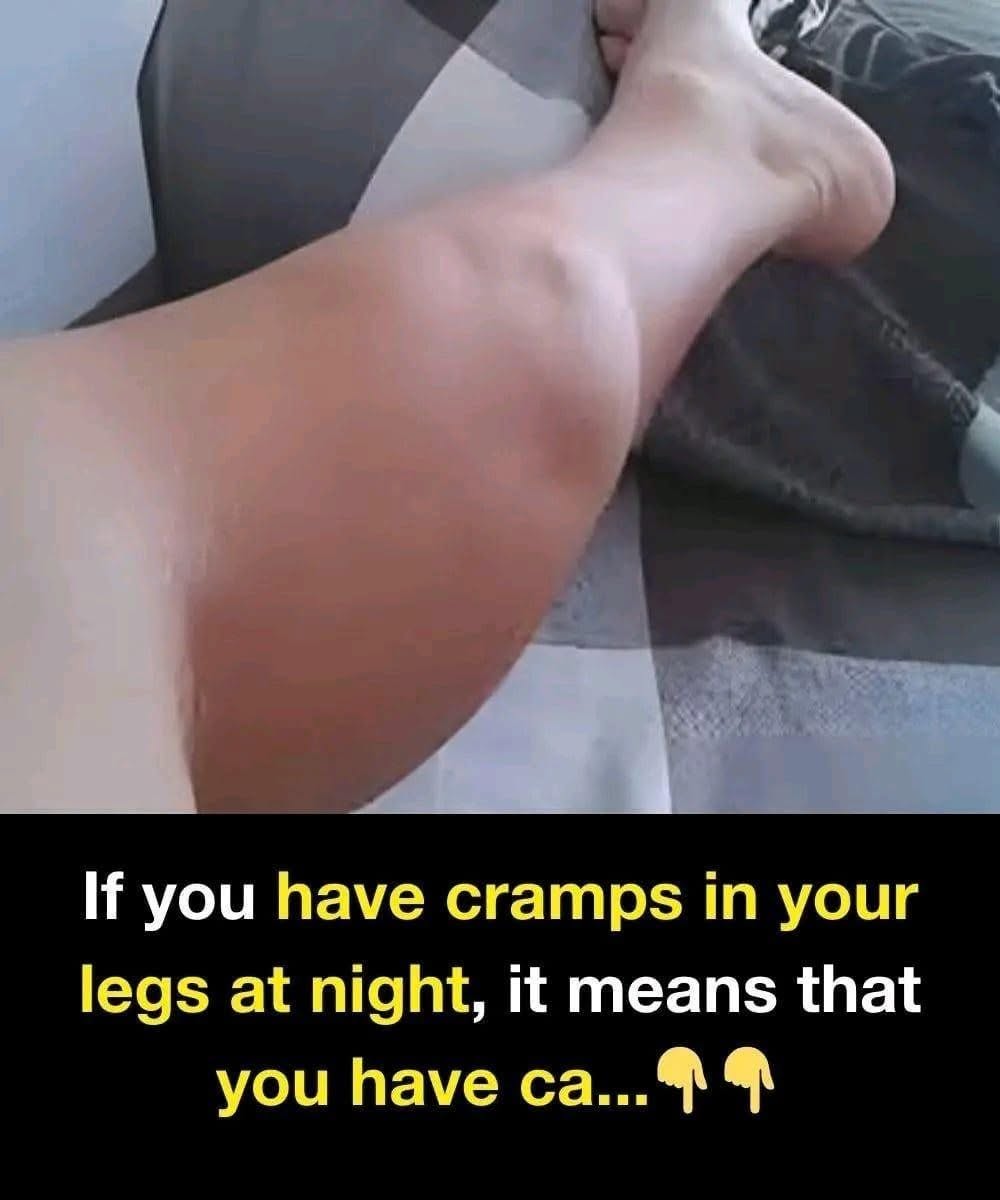
- Fact: Nocturnal cramps are not the same as Restless Leg Syndrome (RLS), though both can disrupt sleep; RLS is an urge to move the legs, while cramps are involuntary muscle tightenings.
- Fact: Studies have shown that stretching before sleep can significantly reduce the intensity of nocturnal episodes.
Conclusion
Don’t let vague social media posts worry you. Night cramps are a common physiological response to factors like fatigue, hydration, or age. By focusing on consistent stretching, proper hydration, and listening to your body’s needs, you can often manage this discomfort effectively. Always prioritize a discussion with your primary care provider to rule out underlying issues and ensure your health plan is tailored to you.
FAQ
1. Does a lack of calcium cause night cramps?
While electrolyte imbalances can contribute, it is rarely just one mineral; it is often a complex balance of fluids and multiple electrolytes.
2. Are night cramps dangerous?
Usually not, but they are disruptive to sleep and quality of life.
3. Is magnesium supplement effective?
Some research is inconclusive, but many find that ensuring a balanced diet rich in magnesium helps.
4. Can medication cause cramps?
Yes, certain diuretics or other medications can sometimes list cramping as a side effect.
5. How long should I stretch before bed?
Just a few minutes of focused, gentle calf stretching is usually sufficient.
6. Does cold weather make it worse?
Cold temperatures can cause muscles to tense up, which may trigger cramps in sensitive individuals.
7. Should I walk when I get a cramp?
Yes, standing and putting weight on the leg while gently stretching it often helps the muscle release.
8. Can I prevent them entirely?
While you may not be able to prevent every single cramp, consistent habits significantly reduce the frequency.