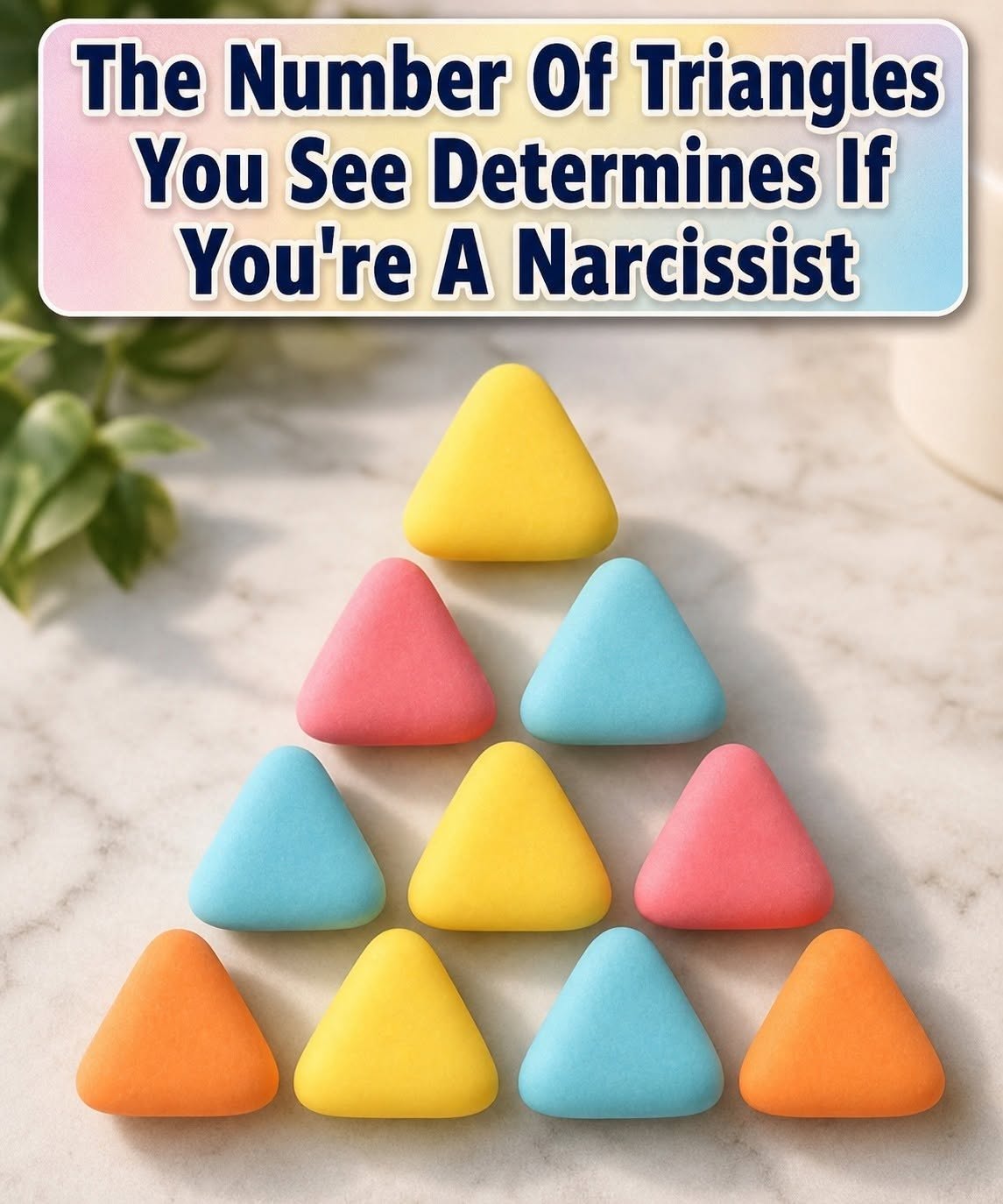
- The Brain’s Shortcut: Our brains process millions of bits of data per second. Pattern recognition is one of the “shortcuts” the brain uses to make sense of the world quickly.
- Emotional Influence: Studies show that when we are stressed or anxious, our ability to perceive patterns can actually shift, often making us hyper-vigilant.
- Cultural Context: Our environment and culture heavily influence what we prioritize visually. A person trained in architecture will see this image very differently than a person trained in biology.
Managing Self-Perception
At the end of the day, how you perceive a picture of triangles is just a moment in time. What matters most is how you treat people in your daily life. Are you empathetic? Do you consider the needs of others? These traits are the real indicators of your character, far more than any online test.
If you are using these quizzes to “find yourself,” remember that your true character is built through your actions—your career choices, your travel experiences, and the way you handle your loans and responsibilities.
Conclusion
While this “narcissist test” is fun for a quick scroll, don’t take it as a diagnostic tool. Use these visual puzzles as a break from your busy life, a way to stimulate your mind, and a conversation starter with friends. The beauty of these challenges lies in the discussion they foster, not the final score.
FAQ Section
Q: Is it possible to see the wrong number of triangles?
A: No, perception is subjective. Seeing a different number than someone else just means your brain is prioritizing different visual cues.
Q: Can a quiz really diagnose a personality disorder?
A: Absolutely not. Personality disorders like Narcissistic Personality Disorder (NPD) require a comprehensive clinical assessment by a licensed mental health professional.
Q: Why do we enjoy these personality tests so much?
A: They provide a sense of mystery and self-discovery. We are naturally curious about ourselves, and these tests offer a simple, fun way to explore that.
Q: What should I do if I think I have narcissistic tendencies?
A: Self-awareness is the first step. If your behavior is affecting your work, relationships, or overall well-being, reaching out to a therapist or counselor is a highly proactive and healthy choice.