Whether it’s a home Mortgage or a small household tool, value is often found in the utility and longevity of what we own. When you invest in quality tools, you are essentially making a small, long-term Investment in your personal care.
Interesting Facts About Everyday Tools
- Engineering Simplicity: Nail clippers are often made using simple lever mechanics that have remained largely unchanged for decades because of their efficiency.
- Material Science: Most quality clippers are crafted from stainless steel to prevent corrosion, showcasing how Technology improves even the most basic items.
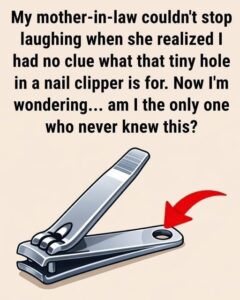
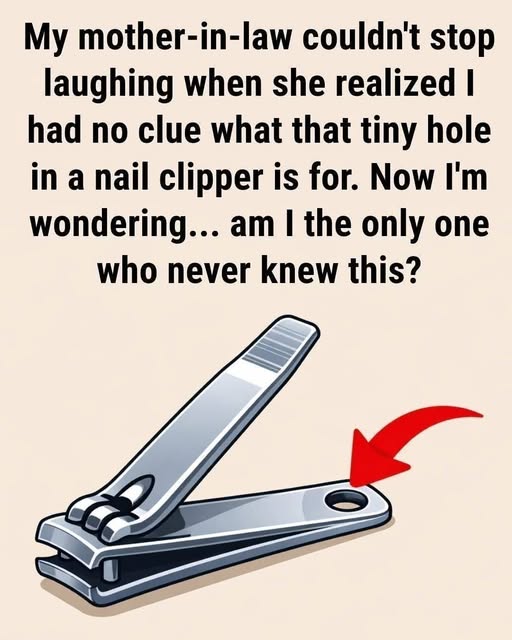
- Global Standard: The design shown in image_dac147.jpg is a universal standard, demonstrating how a simple, effective idea can become a staple in homes worldwide.
Conclusion
Sometimes, it takes a moment of curiosity—like wondering about a small hole in a piece of metal—to realize how much we overlook in our busy lives. Whether you use this feature to keep your tools organized or simply appreciate the design, recognizing these small details makes life a bit more interesting. Always stay curious about the world around you, whether it involves complex Legal Services or the simple mechanics of your nail clippers.
Frequently Asked Questions (FAQ)
Is there any other purpose for the hole?
While the primary purpose is for keychains, some people also use it to secure the clipper to a larger grooming set or a hanging organizer in their bathroom.
Does every nail clipper have this hole?
Most standard-sized clippers do, though some specialized or very small designs might omit it.
Why is this detail so easy to miss?
Because we are so accustomed to using the tool for its primary function—cutting nails—we rarely stop to analyze the structural design of the device itself.
Does this improve the cutting ability?
No, the hole is strictly for organizational and attachment purposes; it does not affect the lever mechanism or the sharpness of the blades.