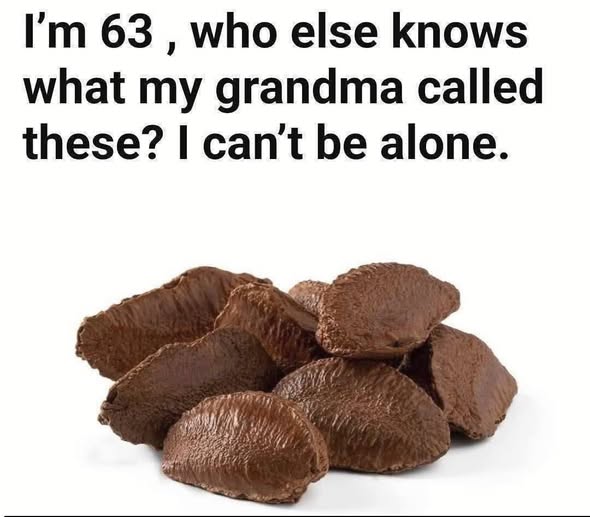
Every generation has its own culinary vernacular. If you grew up in a household where food was the centerpiece of every gathering, you likely have memories of names for certain ingredients that didn’t appear in any official cookbook. From “nigger toes” (a term now widely recognized as offensive and replaced by “Brazil nuts”) to “church window cookies,” these colloquialisms were often passed down through oral tradition. Exploring these memories is like opening a time capsule into a bygone era of American life.
The Nostalgia Factor in Culinary Traditions
Why do we cling to these old-fashioned names? It’s not just about the food; it’s about the emotional architecture of our childhood. Food is a powerful anchor for memory. When we see a familiar image, we aren’t just identifying a nut or a cut of dried beef; we are recalling the kitchen smells, the sound of grandma’s voice, and the feeling of a simpler time.
In today’s fast-paced, high-tech world, we often feel disconnected from our roots. Nostalgia serves as a form of psychological insurance, helping us stay grounded even as the world changes rapidly around us.
The Evolution of Food Culture
Just as the language we use for food changes, so does our approach to our daily lives—from finance to business. We no longer source our ingredients from the local garden quite as often, opting instead for convenience. However, the appreciation for quality, traditional preparation remains a common thread.
Whether it’s traditional dried beef or specialty nuts, there is an inherent value in foods that have stood the test of time. Much like a long-term investment strategy, these traditions have survived because they offer something reliable and satisfying.