
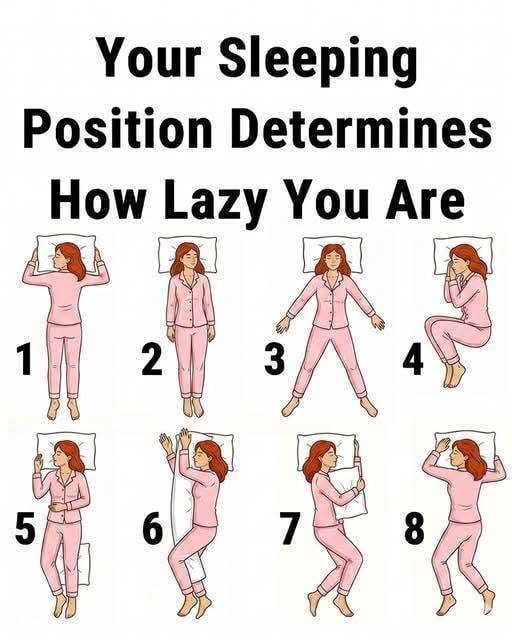
We spend roughly one-third of our lives asleep, yet we rarely consider that our nighttime posture might be a window into our subconscious. While science is still exploring the deep links between personality and sleep habits, body language experts have long argued that the positions we adopt when we are at our most vulnerable—asleep—can reveal a great deal about our traits, from our energy levels to our approach to business and personal relationships.
The Science of Subconscious Posture
When we drift off, we lose conscious control over our body language. This is why sleep postures are often considered more “honest” than the postures we hold during the day when we are navigating social expectations or professional environments.
Whether you are a “starfish” sleeper or prefer to curl up into a protective fetal position, your choice of posture may mirror your coping mechanisms. Much like how you manage your finance or investment strategy, your sleeping style often reflects how you approach security, risk, and comfort in your waking life.
Decoding the 8 Common Sleeping Positions
While no sleep position is “better” than another, they are often associated with different psychological profiles:
- The Freefall (Arms up): Often associated with people who feel they have little control over their lives or have a high need for freedom and excitement.
- The Soldier (Straight/Rigid): Typically linked to reserved, disciplined individuals who hold themselves and others to high standards—much like a successful attorney handling high-stakes cases.
- The Starfish (Spread out): These sleepers are often seen as great listeners who are comfortable with others’ success and don’t seek the spotlight.
- The Fetal Position (Curled up): This is the most common position. It suggests a tough exterior that hides a sensitive or shy inner core.
- The Side-Sleeper (Arms at sides): These individuals are often social, easy-going, and trusting—sometimes to a fault. They are the “team players” of the business world.
- The Log/Hugger (Holding a pillow): These sleepers value closeness and are often very open with their friends and partners.
- The Yearner (Reaching out): This position is often associated with people who have an open nature but can be cynical or suspicious.
- The Half-Fetal (Bent knee): Often balanced and steady, these sleepers are generally reliable and calm, much like someone with a well-managed mortgage or stable credit score.
Why Your “Laziness” Perception Matters
The idea that your sleeping position determines “laziness” is a fun way to look at how we perceive energy. People who take up more space in bed—like the Starfish or Freefall—are often viewed as more extroverted and high-energy. Conversely, those who keep their limbs tucked tight are often seen as more conservative or protective of their personal health and energy levels.
Regardless of your position, the most important thing is your quality of rest. Just as you need a robust insurance plan to protect your future, you need a high-quality sleep routine to protect your daily performance.
Practical Tips for Better Sleep Quality
- Prioritize Consistency: Stick to a sleep schedule to keep your internal clock—and your daily education and work focus—on track.
- Optimize Your Environment: Invest in a comfortable mattress and pillows. Think of it as an investment in your long-term wellness.
- Mindful Evenings: Avoid checking high-stress technology or news feeds right before bed. Give your brain time to decompress.
- Check Your Comfort: If you are waking up with aches, it might be time to change your position or seek advice from a medical professional, rather than just blaming your personality!
Interesting Facts About Sleep
- The Evolution of Sleep: Sleeping positions change as we age. Children often sleep in more expansive positions, while adults tend to curl up more as they seek security.
- Stress Connection: When we are under high stress, we are statistically more likely to return to the fetal position to create a sense of internal safety.
- The “Social” Sleeper: If you sleep with a partner, your proximity to each other can also say a lot about the health of your relationship, regardless of your individual posture.
Conclusion
While you shouldn’t overhaul your life based on a personality quiz, understanding your tendencies is a fun way to practice self-awareness. Whether you are a disciplined “Soldier” or a relaxed “Starfish,” the key to success in your career, your travels, and your personal growth is being intentional with how you spend your time—both awake and asleep.
FAQ Section
Q: Does my sleeping position affect my health?
A: Yes. For example, side-sleeping is often recommended to reduce snoring and acid reflux, while back-sleeping can be better for neck and spinal alignment.
Q: Can I change my sleeping position?
A: It is difficult, as most of us have a deeply ingrained preference. However, with consistent effort and the right pillows for support, you can train your body to prefer a healthier position.
Q: Is there a “laziest” sleeping position?
A: No! “Laziness” is a subjective judgment. Some sleepers who appear “relaxed” are actually very high-achievers who just know how to prioritize restorative rest.
Q: Why do I wake up in a different position than I started?
A: It is perfectly normal to shift throughout the night as your body moves through different sleep cycles. Your brain naturally adjusts your position to maintain blood flow and comfort.