
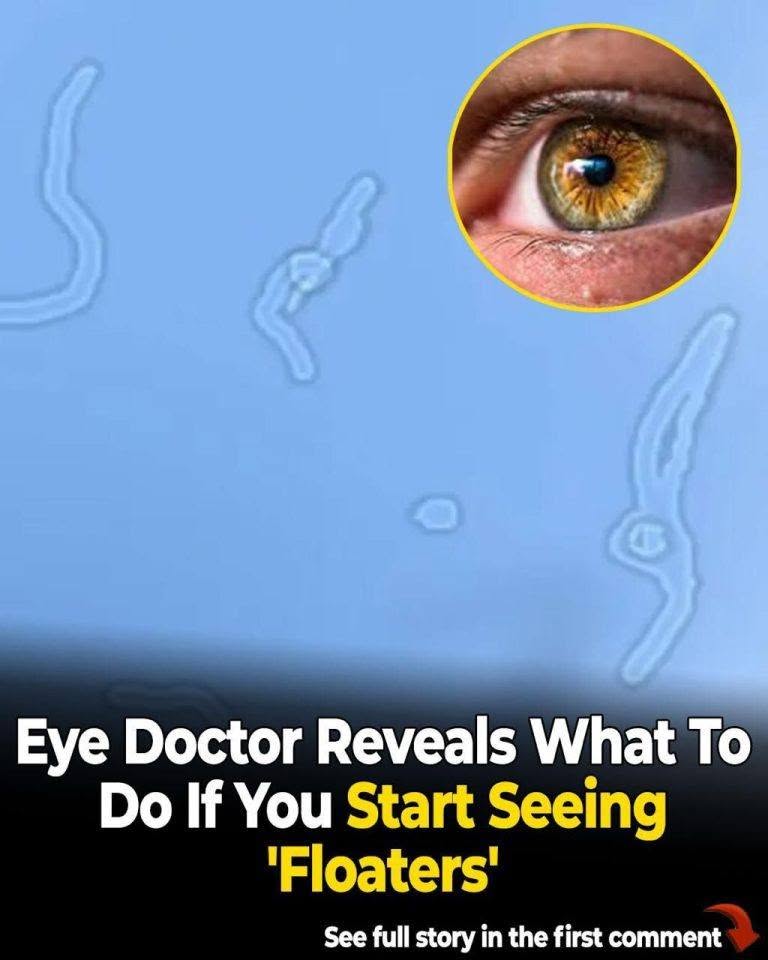
Taking care of your eyes is a lifelong commitment, much like managing your finances or pursuing an education.
- Regular Exams: Annual comprehensive eye exams are the best way to monitor vitreous health.
- Protective Eyewear: Always wear sunglasses that block UV rays to protect your retina from long-term damage.
- Balanced Diet: Maintaining a diet rich in antioxidants (like leafy greens and fish) supports general ocular health.
- Fact: Did you know that the vitreous gel is roughly 99% water and 1% collagen/hyaluronic acid? That 1% is what creates the floaters we see.
Conclusion
Eye floaters in image_8f9a25.jpg are usually a normal, age-related occurrence. While they can be an annoyance, they are typically harmless. However, staying informed and knowing the warning signs of a serious ocular issue is a vital part of your health strategy. When in doubt, always schedule a professional evaluation with an eye doctor to ensure your vision remains clear and healthy.
FAQ
1. Are eye floaters permanent?
Often, yes, but your brain may stop noticing them over time.
2. Can surgery remove floaters?
In extreme cases that significantly impact vision, doctors may consider a vitrectomy, but this is rare due to risks.
3. Do eye drops help?
No, eye drops cannot dissolve floaters as they are located inside the eye, not on the surface.
4. Are floaters a sign of a brain tumor?
Extremely rarely, but they are almost always related to eye physiology, not the brain.
5. Does staring at screens cause them?
No, but eye strain can make you more aware of existing floaters.
6. Can stress bring on floaters?
Stress itself doesn’t cause them, but it may increase your sensitivity to visual stimuli.
7. Why are they more noticeable against a bright background?
Bright light causes your pupils to constrict, which makes the shadows cast by the floaters sharper and easier to see.
8. Should I avoid exercise?
Unless you have been told otherwise by an eye doctor, regular exercise is great for your overall vascular and eye health.