
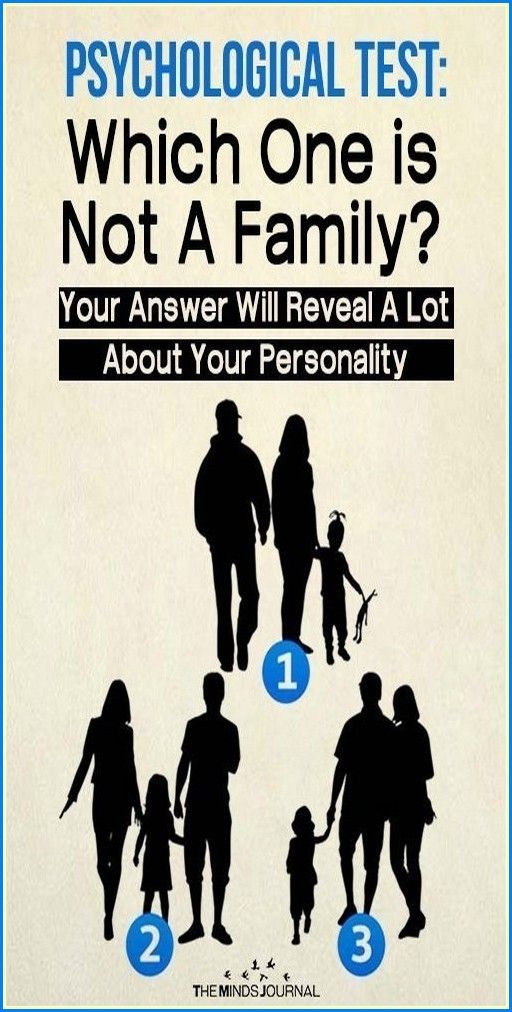
The way we perceive the world around us is often a reflection of our internal values, experiences, and subconscious mind. Psychological puzzles, like the one featured in image, are popular because they challenge us to look beyond the obvious and analyze our own intuitive reactions. While these tests are primarily for entertainment, they offer a fascinating lens through which to consider how we view interpersonal relationships and social dynamics.
In this article, we will explore the visual cues present in image, discuss the psychology of social perception, and delve into why certain images trigger specific responses in our minds.
Analyzing the Visuals in image
When presented with an image like image, the human brain immediately begins to categorize and interpret the silhouettes. We look for patterns of behavior, physical proximity, and standard societal roles. Each group represents a different potential dynamic:
- Group 1: Shows two adults standing together, with one child between them, suggesting a traditional nuclear family structure.
- Group 2: Features one adult leading a child, with another adult walking slightly apart, which some might interpret as a single-parent dynamic or a less connected family unit.
- Group 3: Displays two adults with a child, but with a different physical arrangement than the first group, prompting us to ask what “makes” a family in our modern understanding.
The core question asks us to identify “which one is not a family,” forcing us to rely on our personal definitions of what constitutes family bonds.