
- Downsize Before You Buy: You cannot appreciate the joy of a tiny home if you are trying to fit a mansion’s worth of belongings into it. Start purging now.
- Prioritize Location: The “tiny” aspect is secondary to the location. If you want to live by the sea, look for areas where the climate allows you to spend 80% of your time outdoors.
- Budget for Maintenance: Even tiny homes require care. Set aside a percentage of your monthly savings for ongoing repairs—think of it as a specialized “home maintenance” loan to yourself.
- Test Run: Before committing to a permanent move, rent a tiny home for a month. It is the best way to see if the lifestyle truly suits your temperament.
Interesting Facts About Coastal Living
- The “Blue Space” Effect: Studies suggest that living near “blue space”—bodies of water—can significantly lower stress hormones and improve cardiovascular health.
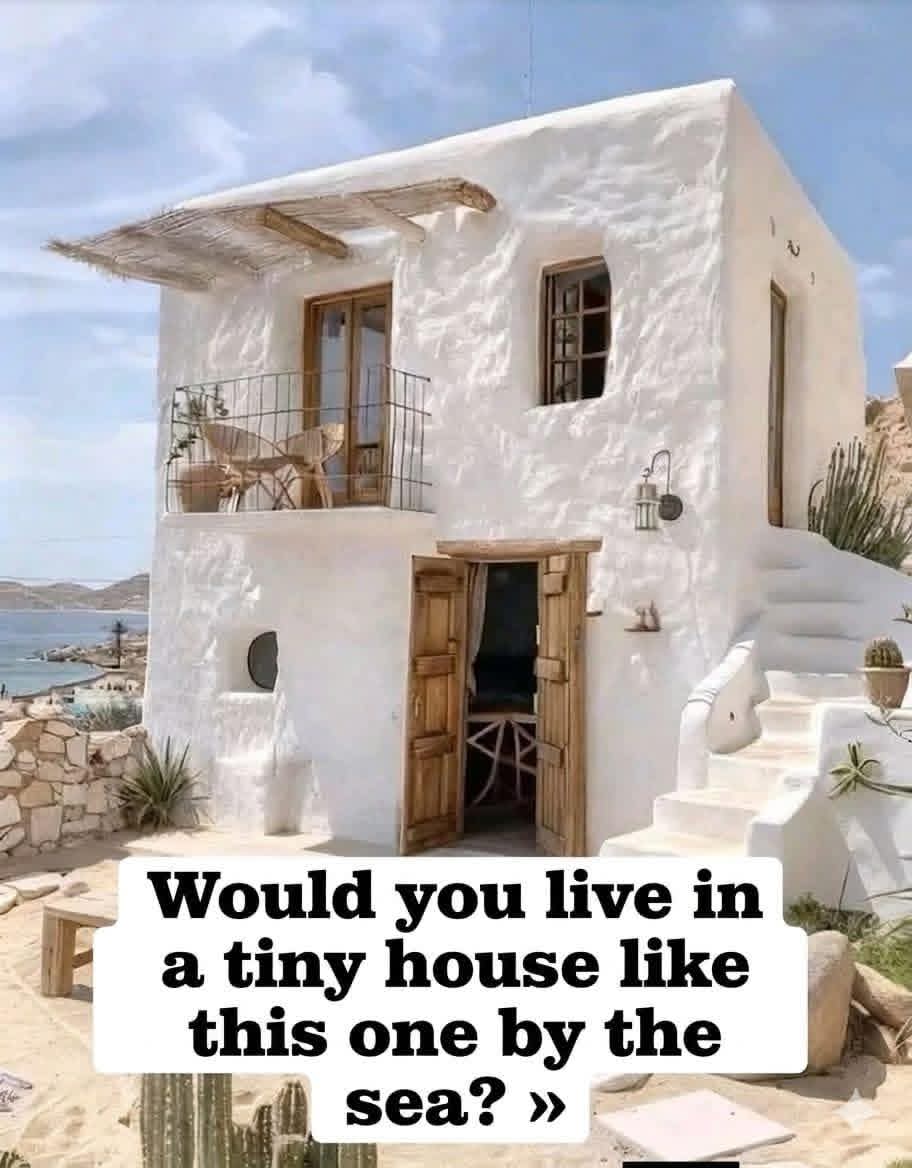
- Architecture for Survival: Tiny homes in coastal areas are often built with specific materials (like white lime wash) to reflect the intense sun and withstand high humidity and salt air.
- Community Growth: The tiny house movement has spawned vibrant communities worldwide, making it easier to find neighbors who share your values of simplicity and sustainability.
Conclusion
Living in a tiny house by the sea is more than just an aesthetic choice; it is a commitment to a different kind of life. It’s about valuing time over things, peace over status, and freedom over traditional metrics of success. Whether you are ready to make the leap today or are simply enjoying the dream from afar, it serves as a beautiful reminder that the best things in life are often the simplest.
FAQ Section
Q: Is living in a tiny house difficult?
A: It requires an adjustment period. You have to be intentional about your possessions and your daily habits, but for many, the freedom it provides makes the “difficult” parts worth it.
Q: How do I handle utilities in a tiny home?
A: Many tiny homes are designed to be off-grid or semi-off-grid, using solar power, rainwater collection, and composting systems, which can further reduce your monthly costs.
Q: What if I need more space later?
A: That is the beauty of the tiny house lifestyle—it is often more mobile. You can sell your home or upgrade when your needs change. It’s a flexible approach to housing.
Q: Does coastal living make home insurance more expensive?
A: Generally, yes, due to the risks associated with weather. Always consult with a local insurance specialist who understands the specific environmental risks of the area you are considering.