
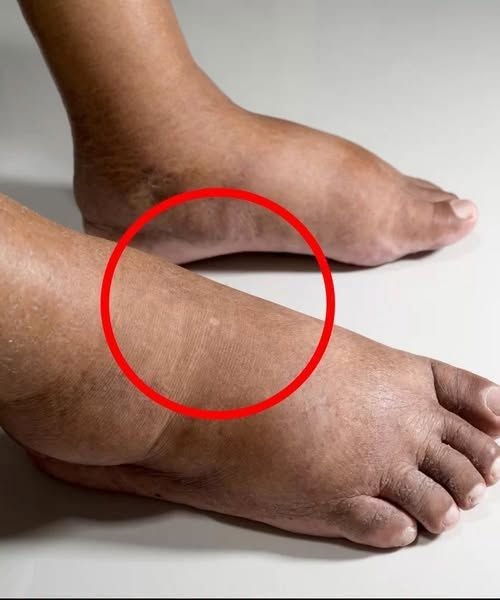
We often spend hours researching the best mattress or the ideal pillow to improve our sleep quality. However, we rarely consider how our body positioning throughout the night—or the habits we form before we drift off—might be impacting our vascular health. If you have ever woken up with swollen ankles, persistent tingling, or a heavy sensation in your lower extremities, it may be time to take a closer look at your nighttime routine.
Understanding Peripheral Edema and Sleep
When we talk about swelling in the lower legs and feet, medical professionals often refer to this as peripheral edema. While there are many underlying causes, including systemic issues like heart, kidney, or liver conditions, local factors play a significant role.
Gravity is the constant enemy of healthy circulation. Throughout the day, blood and fluid pool in our lower extremities. Normally, the “calf muscle pump” helps push this fluid back toward the heart. However, if you are sleeping in a position that restricts blood flow or compresses your veins, you may be hindering your body’s natural recovery process.
The Impact of Restrictive Habits
Many people unknowingly engage in habits that exacerbate circulation issues. Whether it is sleeping with overly tight socks to stay warm, curling up in a fetal position for eight hours, or failing to hydrate properly, these small choices can have cumulative effects on your vascular system.
In the world of health and medical care, early identification is vital. Just as you would consult an attorney or legal services expert to protect your assets if you noticed a discrepancy in your finances, you should consult a doctor if you notice persistent swelling. Ignoring these physical signals can lead to long-term damage that might eventually require expensive medical interventions or even impact your insurance premiums due to increased health risks.
How Your Lifestyle Affects Your Circulatory Future
Your physical well-being is arguably your most important investment. If your legs are constantly swollen, it may impact your ability to be active, your business productivity, or even your desire to travel.
Factors That Influence Circulation:
- Hydration: Proper water intake is essential for maintaining blood volume and circulation.
- Dietary Choices: High sodium intake is a leading cause of fluid retention.
- Physical Activity: Regular movement is the only way to keep the lymphatic system and veins functioning optimally.
- Professional Monitoring: Routine check-ups can identify issues before they require a costly mortgage or a massive loan to cover unexpected surgical or pharmaceutical costs.
When to See a Professional
It is easy to brush off minor swelling as a result of a long day at the office, but you must be vigilant. If the swelling is asymmetrical (only on one side), accompanied by pain, redness, or heat, this could be a sign of a deep vein thrombosis (DVT), which is a serious medical emergency. Do not attempt to self-diagnose through internet searches alone. Seek professional medical advice immediately if you suspect a blockage.
Practical Tips for Better Leg Health
- Elevate Your Feet: If you suffer from swelling, try sleeping with your feet slightly elevated above the level of your heart using a wedge pillow.
- Compression Therapy: If recommended by a doctor, medical-grade compression stockings can prevent fluid from pooling during the day.
- Evening Stretches: Incorporate light leg stretches before bed to encourage blood flow.
- Manage Your Finances for Wellness: Set aside a portion of your income specifically for preventative health care, just as you would for retirement or education funds. Being proactive is the best way to secure your future.
Interesting Facts About Circulation
- The Second Heart: The calf muscle is often called the “second heart” because of its critical role in pumping venous blood back to the heart.
- The Power of Movement: Even fidgeting in your sleep can help slightly, but intentional movement during the day is vastly more effective at preventing fluid accumulation.
- Gravity’s Toll: On average, humans spend roughly 16 hours a day upright, meaning our veins are fighting gravity for the majority of our waking lives.
Conclusion
Your body is a complex system that communicates through signals. Swelling in your legs is not just a cosmetic annoyance; it is a clinical indicator that requires attention. By adjusting your habits, staying active, and staying informed, you can ensure that your circulatory system remains healthy for years to come. Do not let minor issues grow into major problems.
FAQ Section
Q: Why do my feet swell at night?
A: Swelling can occur due to gravity, dietary sodium, or venous insufficiency. However, it can also be a sign of underlying systemic health conditions.
Q: Is sleeping with socks bad for circulation?
A: Generally, no, unless the socks have tight elastic bands that constrict the ankles and limit blood flow. If you wear socks, ensure they are non-binding.
Q: Does dehydration cause leg swelling?
A: Counterintuitively, yes. When you are dehydrated, your body holds onto existing fluid, which can accumulate in the feet and ankles.
Q: Should I worry about swelling if it goes away by morning?
A: While morning resolution is common, it is still worth mentioning to your primary care physician during your next check-up to rule out chronic venous issues.