
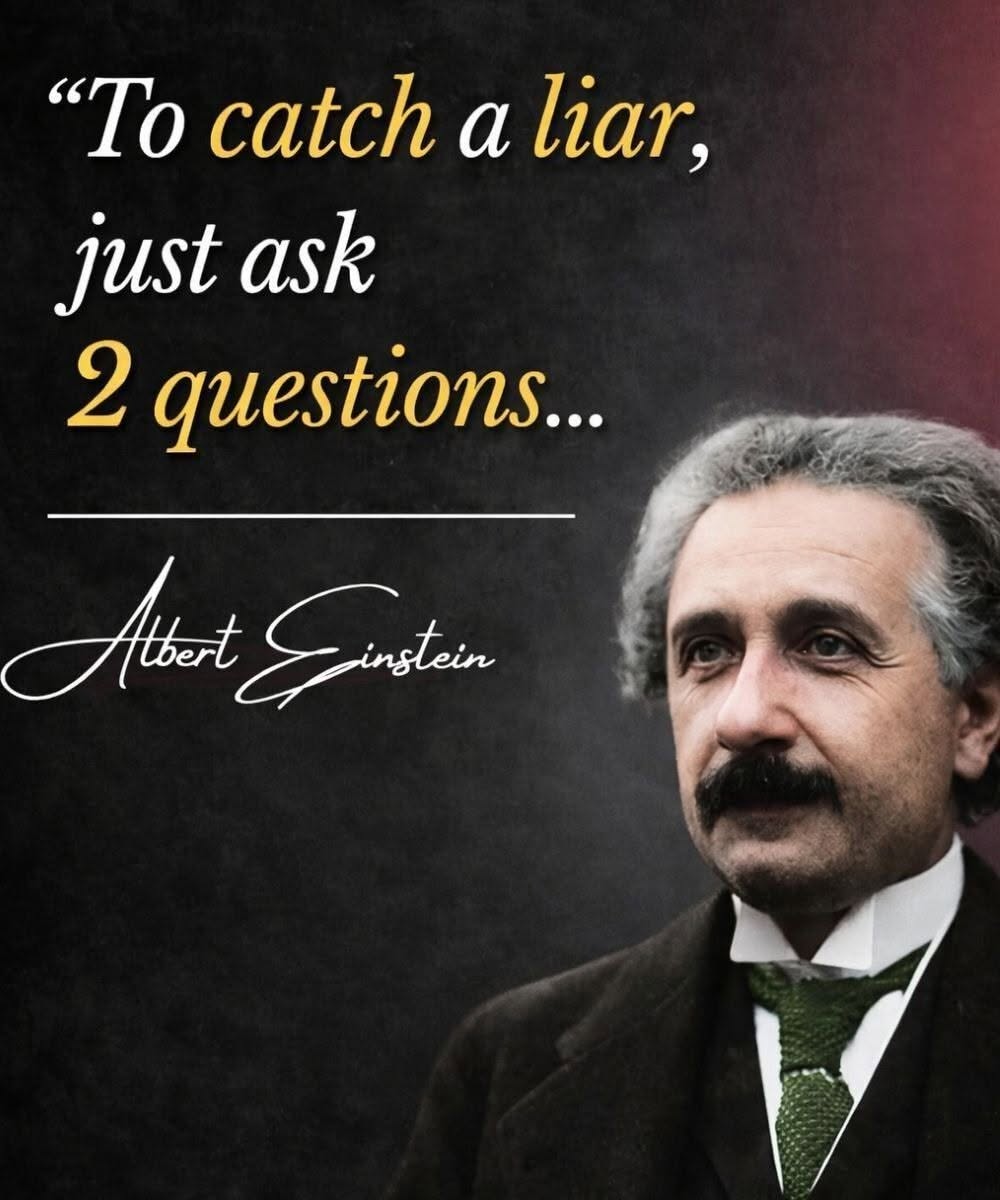
Stating the truth requires simple recall. Conversely, inventing a believable scenario, ensuring it aligns with known facts, and suppressing the true version of events demands heavy psychological processing. When specific behavioral investigative strategies are used—such as asking targeted questions—this cognitive load can cause the false narrative to fracture under pressure.
The Role of Strategic Questioning
In many professional and personal settings, the strategy used to uncover the truth relies on the style of communication. In fields like corporate management, human resources, or professional Legal Services, professionals use advanced interviewing techniques rather than relying on gut feelings.
- Open-Ended Inquiries: Forcing an individual to elaborate on the finer details of a scenario rather than answering with a simple “yes” or “no.”
- The Element of Surprise: Changing the chronological order of a conversation to disrupt a memorized, pre-planned timeline.
- Verification of Spatial Details: Asking spatial or situational questions that are incredibly difficult to fabricate on the spot.