
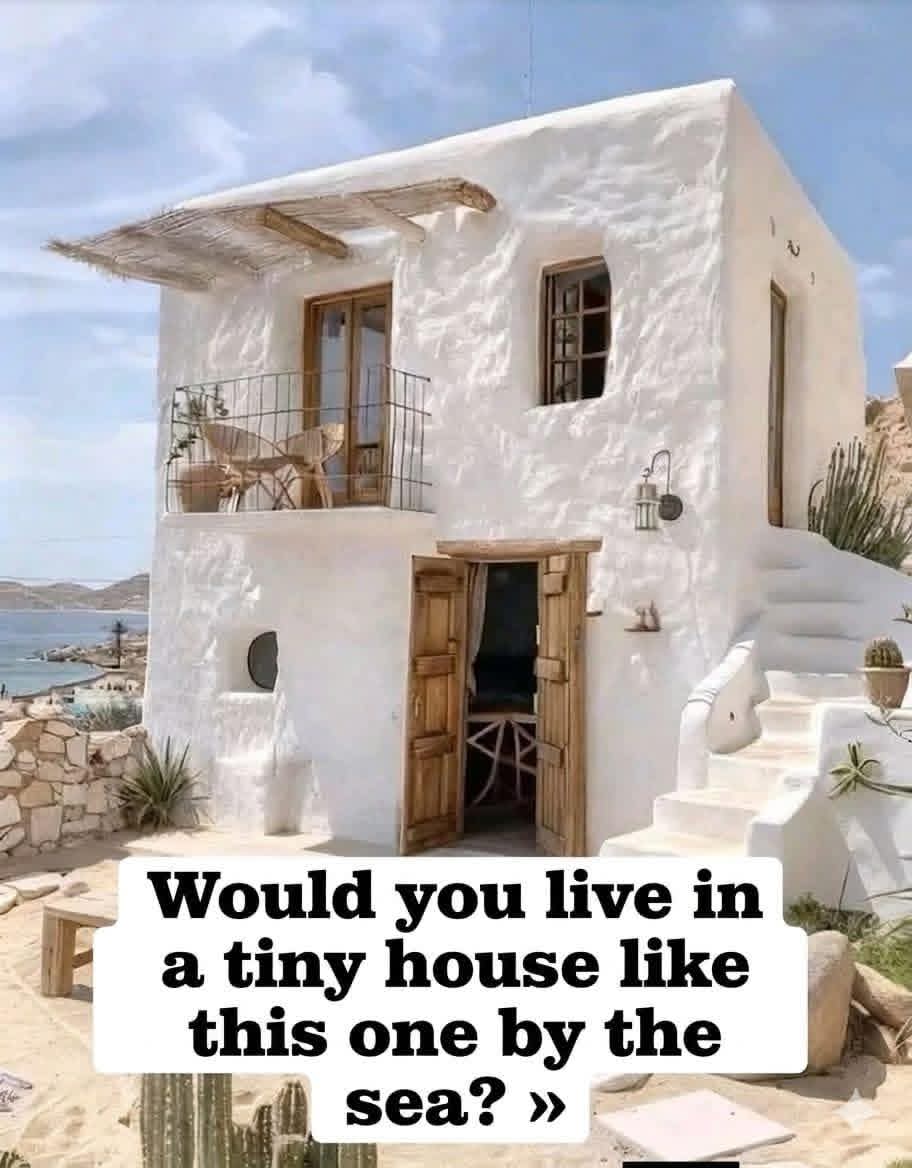
There is something undeniably magnetic about the idea of downsizing. In a world that often demands we accumulate more—more space, more stuff, more responsibility—the “tiny house” movement has emerged as a powerful counter-culture. And when you place that tiny house on a sun-drenched coast, overlooking the sparkling sea, it transforms from a lifestyle choice into a dream life. But what does it actually take to live this way, and is it a sustainable path for your future?
The Psychology of Minimalist Living
Living in a small space forces you to confront your priorities. When every square inch must be functional, you stop collecting things you don’t need and start focusing on the experiences that actually enrich your life. This shift in mindset is incredibly beneficial for your mental health. By removing the clutter from your environment, you often find that you remove the clutter from your mind, leading to reduced stress and greater clarity of purpose.
Financial Freedom and the “Tiny” Trade-off
One of the primary drivers of the tiny house movement is the desire for financial independence. The cost of a traditional mortgage can be suffocating, often dictating the career paths we take and the risks we are afraid to pursue.
By choosing a smaller footprint, you can drastically reduce your monthly expenses. This frees up capital for other forms of investment, such as retirement accounts, or even the ability to take a risk on a new business venture. However, it is essential to consider the long-term implications. While you might save on property taxes and maintenance, you must ensure that your choice doesn’t limit your future flexibility, especially if your credit needs change or you require a larger space later in life.
Designing for Success: Making the Most of Small
Living tiny isn’t about deprivation; it’s about efficiency. When designed well, these homes are masterpieces of technology and smart architecture.
- Multi-functional Furniture: Tables that fold into walls and beds that double as storage are standard.
- Seamless Indoor-Outdoor Flow: By using the patio as an extension of the living room, you effectively double your usable space.
- Smart Storage: Every cabinet and nook is utilized, mirroring the way we should manage our personal finance—nothing is wasted.
Preparing for Your Seaside Retirement
Many people dream of a tiny house by the sea as the perfect retirement sanctuary. It is a peaceful, beautiful way to enjoy your later years. However, if you are planning to relocate, you need to think like a professional attorney or advisor—consider the legal services required for international property ownership, insurance for coastal risks (like erosion or storm damage), and access to local medical facilities.
Planning ahead ensures that your dream home doesn’t become a logistical or financial burden.