
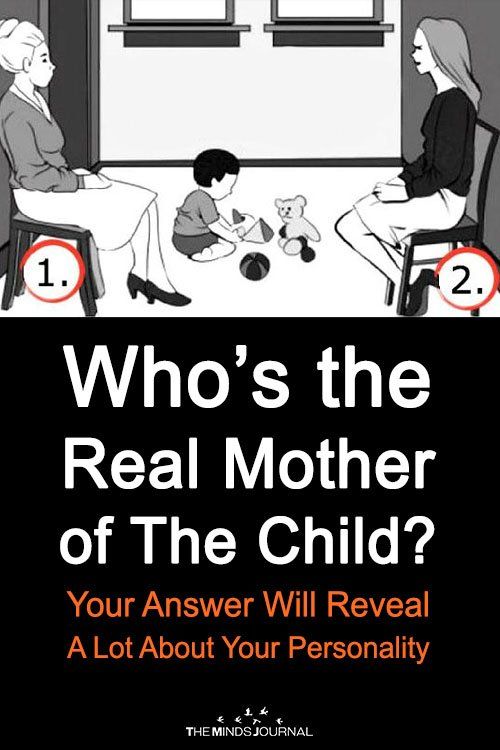
Let’s break down the scene. We see a child playing with toys on the floor, situated between two women. Your brain instantly starts looking for clues: body language, positioning, or subtle environmental factors.
Many people focus on the direction the child is facing. In the context of image, the child’s orientation is often the primary data point for observers. Those who prioritize logic might look for external indicators, while those who are more emotionally attuned might focus on the tension or warmth in the posture of the women.
Practical Tips for Sharpening Your Intuition
While these puzzles are fun, they also highlight the importance of “critical observation.” In real-world scenarios—whether you are assessing a potential investment opportunity or dealing with complex legal services—it pays to take a step back.
- Observe the Context: Don’t just look at the focal point. What is happening in the periphery?
- Challenge Your Assumptions: Ask yourself, “Why do I think this is the truth?”
- Seek Multiple Perspectives: How would someone with a different background interpret this?
If you are interested in applying these observation skills to broader life areas, check out our guide on improving your strategic decision-making in business.
Interesting Facts About Human Cognition
Did you know that humans process images 60,000 times faster than text? This explains why we are so naturally drawn to puzzles like image. Our survival depended on split-second assessments of our environment. Today, we have repurposed that high-speed processing power to solve abstract puzzles and enjoy entertainment.