






































Reaching the age of 60 is a profound milestone. For many, it marks a transition into retirement, a time to enjoy family, and a period to look forward to decades of hard-earned leisure. However, from a clinical and demographic standpoint, age 60 also represents a critical biological threshold. It is the decade where the cumulative effects of lifestyle, diet, and systemic inflammation begin to manifest clearly within our internal organs.
According to extensive data compiled from longevity hot spots (known globally as Blue Zones) and large-scale geriatric health studies, escaping the onset of chronic illness by age 60 dramatically alters your aging trajectory.
Gerontologists highlight 5 specific, interconnected diseases that act as the primary roadblocks to reaching age 100. If you hit 60 without these diagnoses on your medical record, your cellular resilience is positioned exceptionally well for extreme longevity.
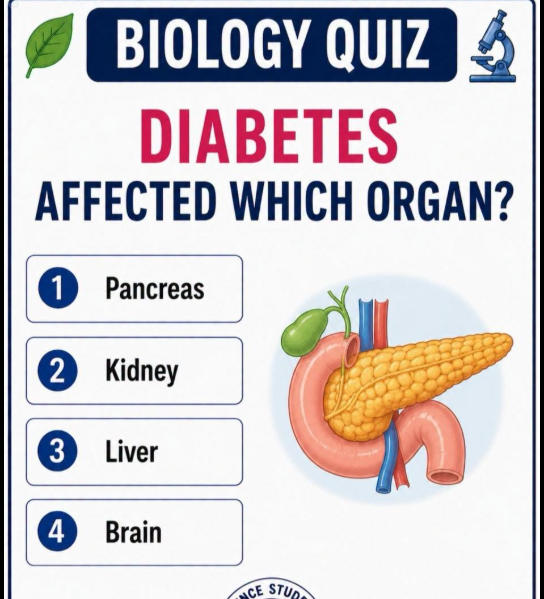
1. Type 2 Diabetes (And Severe Insulin Resistance)
Type 2 diabetes is far more than a blood sugar issue; it is a systemic metabolic disorder that accelerates the aging process across every tissue type. Prolonged elevations in blood glucose lead to advanced glycation end-products (AGEs), which prematurely stiffen arteries, damage delicate nerve endings, and compromise kidney filtration systems.
-
The Longevity Impact: Developing diabetes prior to or around age 60 statistically reduces a person’s life expectancy by roughly 6 to 10 years due to its downstream complications. Entering your 60s with optimal insulin sensitivity means your microvascular system remains clean, pliable, and fully capable of nourishing your vital organs for decades to come.